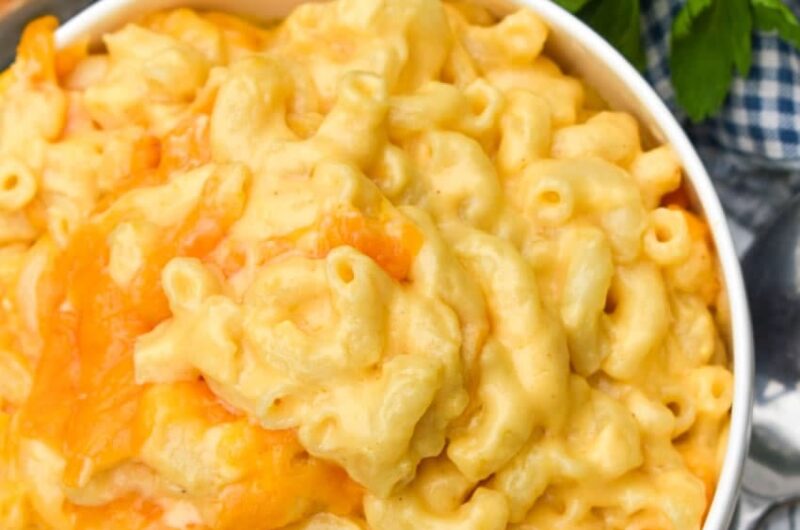
Creamy Homemade Mac and Cheese is the ultimate comfort food: rich, cheesy, satisfying, and incredibly easy to make. Tender macaroni is coated in a silky homemade cheese sauce made with butter, milk, cream, and plenty of freshly shredded cheese. Every bite is creamy and flavorful, making this dish perfect for family dinners, holidays, potlucks, or whenever you crave something warm and comforting.
Unlike boxed macaroni and cheese, homemade mac and cheese allows you to control the ingredients and customize the flavors. The secret to an exceptionally creamy sauce is using freshly grated cheese and gently heating it so it melts smoothly without becoming grainy.
Ingredients
For the Pasta
- 12 ounces elbow macaroni
- 1 tablespoon salt, for the pasta water
For the Cheese Sauce
- 4 tablespoons unsalted butter
- ¼ cup all-purpose flour
- 2 cups whole milk
- 1 cup heavy cream
- 1 teaspoon Dijon mustard
- ½ teaspoon garlic powder
- ½ teaspoon onion powder
- ½ teaspoon salt
- ¼ teaspoon black pepper
- 2 cups shredded sharp cheddar cheese
- 1 cup shredded Monterey Jack cheese
- ½ cup shredded mozzarella cheese
- ½ cup freshly grated Parmesan cheese
Optional Topping
- ½ cup breadcrumbs
- 1 tablespoon melted butter
- ¼ cup additional shredded cheddar cheese
- Fresh parsley, for garnish
Instructions
1. Cook the Pasta
Bring a large pot of water to a rolling boil. Add a generous tablespoon of salt and stir in the elbow macaroni.
Cook the pasta according to the package directions until just al dente. Avoid overcooking because the pasta will continue cooking slightly when combined with the hot cheese sauce.
Before draining, reserve about ½ cup of the pasta water. Drain the macaroni thoroughly and set it aside.
2. Make the Roux
Place a large saucepan or deep skillet over medium heat. Add the butter and allow it to melt completely.
Sprinkle the flour over the melted butter and whisk continuously for about 1–2 minutes. This creates a smooth roux and cooks away the raw flour taste.
Do not allow the mixture to become dark. For a creamy white cheese sauce, the roux should remain pale and smooth.
3. Add the Milk and Cream
Gradually pour the whole milk into the roux while whisking constantly. Slowly add the heavy cream and continue whisking until the mixture is smooth.
Cook over medium heat for approximately 4–6 minutes, stirring frequently. The sauce will gradually thicken.
Once it coats the back of a spoon, reduce the heat to low. Avoid boiling the sauce because excessive heat can make the dairy separate.
4. Season the Sauce
Add Dijon mustard, garlic powder, onion powder, salt, and black pepper. Stir well to distribute the seasonings.
The Dijon mustard does not make the mac and cheese taste strongly of mustard. Instead, it adds a subtle tang that helps bring out the flavor of the cheese.
Taste the sauce and adjust the seasoning if necessary.
5. Add the Cheese
Reduce the heat to very low. Add the shredded cheddar, Monterey Jack, mozzarella, and Parmesan gradually, stirring after each addition.
Continue stirring until all the cheese has melted and the sauce is smooth and glossy.
Freshly grated cheese is strongly recommended because it melts more evenly than many pre-shredded cheeses.
If the sauce seems too thick, add a small splash of reserved pasta water or milk until it reaches your preferred consistency.
6. Combine the Pasta and Sauce
Add the cooked macaroni to the cheese sauce. Stir gently until every piece of pasta is thoroughly coated.
If necessary, add a little more reserved pasta water to loosen the sauce. The finished mixture should be creamy and smooth rather than stiff.
At this point, the mac and cheese is ready to serve as a stovetop version.
Optional Baked Version
For a golden, lightly crisp topping, preheat your oven to 375°F (190°C).
Transfer the prepared mac and cheese to a lightly greased baking dish.
Combine the breadcrumbs with melted butter and sprinkle them evenly over the top. Add the extra shredded cheddar for even more cheesiness.
Bake for approximately 15–20 minutes, or until the cheese is bubbling and the topping is lightly golden.
Do not overbake. Baking for too long can cause the creamy sauce to dry out.
Allow the dish to rest for 5 minutes before serving.
Tips for the Creamiest Mac and Cheese
The type of cheese you choose makes a big difference. Sharp cheddar provides a bold, classic flavor, while Monterey Jack contributes excellent melting ability. Mozzarella adds extra stretch, and Parmesan provides savory depth.
Always grate cheese from a block when possible. Pre-shredded cheese can contain starches that interfere with smooth melting.
Keep the heat low when adding cheese. High temperatures can cause the cheese sauce to become oily or grainy.
Cook the pasta just until al dente. Soft, overcooked pasta can become mushy once combined with the hot sauce.
For an extra-flavorful version, add a pinch of smoked paprika, cayenne pepper, Italian seasoning, or a few drops of hot sauce.
You can also stir in cooked bacon, shredded chicken, caramelized onions, roasted vegetables, or chopped jalapeños.
Serving Suggestions
Creamy Homemade Mac and Cheese makes an excellent main dish served with a crisp green salad or steamed vegetables. It is also a wonderful side dish alongside roasted chicken, barbecue, burgers, meatloaf, or grilled meats.
For a holiday meal, serve it alongside roasted vegetables and other classic comfort-food favorites.
Storage and Reheating
Store leftover mac and cheese in an airtight container in the refrigerator for up to 3–4 days.
When reheating, use low heat and add a splash of milk or cream to restore the sauce’s creamy consistency. Stir gently until heated through.
The mac and cheese can also be frozen, although the texture may change slightly after thawing. For best results, freeze portions in airtight containers and thaw them overnight in the refrigerator before reheating.