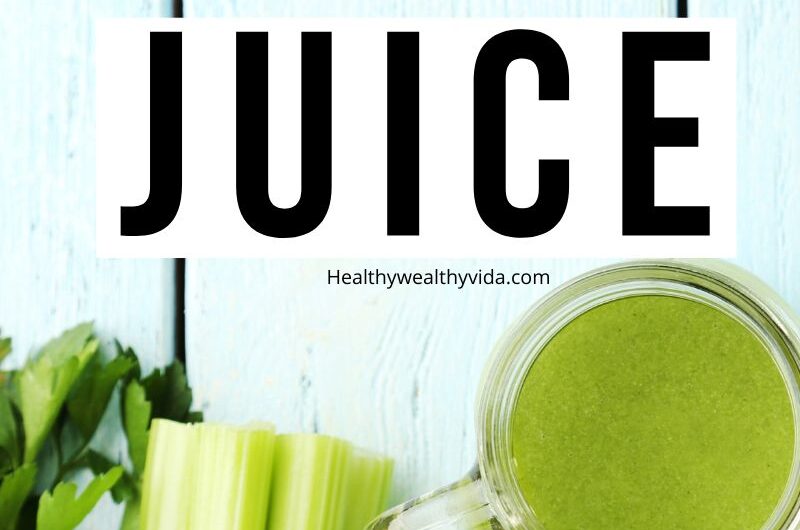
Celery juice has become a popular addition to morning wellness routines because it is refreshing, light, and easy to prepare. Celery itself is a nutrient-rich, low-calorie vegetable that contains water, vitamin K, potassium, and various plant compounds. (Mayo Clinic News Network)
However, celery juice should be viewed as a nutritious beverage rather than a miracle cure. Juicing removes much of the fiber found in whole celery, and current evidence does not support claims that celery juice can “detox” the body or cure chronic diseases. Whole vegetables remain an important part of a healthy eating pattern. (Mayo Clinic)
This simple recipe makes a fresh celery drink that can be enjoyed as part of a balanced diet.
Fresh Celery Juice Recipe
Ingredients
- 1 large bunch of fresh celery
- ½ lemon, optional
- ½ small cucumber, optional
- ½-inch piece of fresh ginger, optional
- ½ cup cold water, if using a blender
Instructions
- Wash the celery thoroughly under cool running water.
- Separate the stalks and remove any damaged or wilted sections.
- Cut the celery into smaller pieces that fit comfortably into your juicer or blender.
- If using a juicer, process the celery according to the manufacturer’s instructions.
- If using a blender, add the celery with about ½ cup of cold water and blend until smooth.
- Strain the blended mixture through a fine-mesh sieve if you prefer a thinner drink.
- Add fresh lemon juice for brightness and ginger for a little natural spice.
- Serve immediately over ice or refrigerate promptly.
For maximum fiber, skip the straining step and drink the blended celery mixture as a smoothie-style beverage. Mayo Clinic notes that blending edible fruits and vegetables can retain more fiber than traditional juicing. (Mayo Clinic)
1. Helps Add Fluids to Your Diet
Celery is made up of roughly 95% water, making it a naturally hydrating vegetable. (Mayo Clinic News Network)
A glass of celery juice can therefore contribute to your overall fluid intake, especially on warm days or after physical activity. Still, plain water should remain an important part of your daily hydration routine.
2. Provides Vitamin K
Celery contains vitamin K, a nutrient that plays an important role in normal blood clotting and bone health. (Mayo Clinic News Network)
Including celery as part of a varied diet can help contribute to your overall nutrient intake. If you take medication affected by vitamin K intake, speak with your healthcare professional before making major changes to your diet.
3. Supplies Potassium
Celery contains potassium, an essential mineral involved in normal nerve and muscle function and fluid balance.
A diet rich in vegetables, fruits, legumes, and other potassium-containing foods can support overall nutritional quality. Celery juice can contribute to that pattern, although it shouldn’t be considered a stand-alone treatment for blood pressure or other medical conditions.
4. Contains Plant Antioxidants
Celery contains naturally occurring plant compounds with antioxidant properties. These compounds are one reason vegetables are valuable components of a balanced diet.
Rather than focusing on one “superfood,” aim to eat a variety of colorful vegetables and fruits. Different foods provide different combinations of vitamins, minerals, and plant compounds.
5. Can Be a Low-Calorie Beverage
Plain celery juice can be a relatively light alternative to sugary sodas, sweetened teas, or heavily sweetened beverages.
Replacing high-calorie drinks with unsweetened vegetable-based drinks may help reduce overall calorie intake. However, celery juice itself does not automatically cause weight loss or burn belly fat.
For better fullness, pair it with a meal containing protein and fiber.
6. May Help You Eat More Vegetables
Some people find it easier to drink vegetables than eat them in larger portions. If celery juice encourages you to include more vegetables in your overall diet, it can be a useful addition.
Mayo Clinic notes that juicing can help people increase their fruit and vegetable intake, but juice shouldn’t become the only source of these foods. (Mayo Clinic News Network)
Try rotating celery with other vegetables rather than drinking the same juice exclusively.
7. Fits a Heart-Healthy Eating Pattern
Celery is naturally low in calories and provides potassium and plant compounds, making it an easy addition to a nutrient-conscious diet. (Mayo Clinic News Network)
For a broader heart-supportive eating pattern, combine vegetables with fruits, whole grains, beans, nuts, fish, and other nutritious foods. Dietary patterns such as DASH emphasize vegetables and fruits while limiting excess sodium, added sugar, and saturated fat. (Mayo Clinic)
8. Offers a Refreshing Alternative to Sugary Drinks
The crisp flavor of celery makes it a refreshing choice when you want something other than plain water.
Adding lemon, cucumber, or ginger can make the drink more appealing without requiring added sugar. If you want sweetness, consider adding a small amount of whole fruit rather than relying on syrups or sweeteners.
9. Provides Some Fiber When Blended
Traditional juicing removes much of the fiber from celery. Fiber is important for digestive health, fullness, bowel regularity, and other aspects of health. (Mayo Clinic)
For this reason, blending celery instead of extracting only the liquid can be a useful alternative. You may end up with a thicker drink, but you’ll retain more of the edible plant material.
If you prefer traditional juice, make sure you’re also eating plenty of whole vegetables, fruits, beans, whole grains, nuts, and seeds throughout the day.
10. Easy to Customize
Celery juice doesn’t have to taste boring. You can create different versions depending on your preferences.
Try celery with:
- Lemon and ginger for a bright, spicy flavor
- Cucumber and mint for a cooling drink
- Apple and celery for mild natural sweetness
- Celery, cucumber, and lemon for a simple green juice
- Celery and a small amount of carrot for a sweeter vegetable blend
Keep added sugar to a minimum so that the drink remains a nutritious beverage rather than becoming another sugary drink.
When Is the Best Time to Drink Celery Juice?
There is no scientifically established time when celery juice provides special benefits. Many people enjoy it in the morning because it is easy to incorporate into a routine.
You can drink it with breakfast, as a mid-morning beverage, or alongside another meal.
If acidic ingredients such as lemon cause heartburn or stomach discomfort, reduce them or have the drink with food.
Can You Drink Celery Juice Every Day?
For most healthy people, celery can be part of a regular diet. But you don’t need to drink celery juice every day to have a healthy diet.
The more important goal is dietary variety. Include whole vegetables, fruits, legumes, whole grains, nuts, seeds, and appropriate protein sources throughout the week.
Also remember that juice is less filling than whole vegetables because much of the fiber can be lost during juicing. (Mayo Clinic)
Storage and Food Safety
Fresh homemade juice is best consumed soon after preparation. If you need to save some, transfer it to a clean, covered container and refrigerate it promptly.
Mayo Clinic recommends making only as much fresh juice as you can drink at once because harmful bacteria can grow in freshly made juice. (Mayo Clinic)
Always wash fresh produce thoroughly before preparing it.
Important Considerations
Celery juice isn’t a detox cure, disease treatment, or guaranteed weight-loss solution. Juice cleanses that rely heavily on juice do not provide balanced nutrition and aren’t supported as a reliable way to remove toxins or achieve lasting weight loss. (Mayo Clinic)
People with certain medical conditions, including kidney problems or dietary restrictions involving potassium or sodium, may need individualized nutrition advice. If you take medications or have a chronic health condition, consult your healthcare professional before making substantial dietary change.