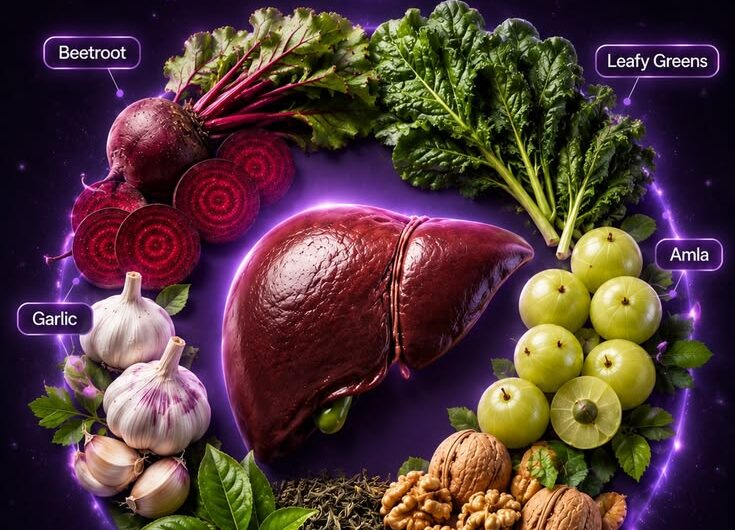
Supporting liver health starts with an overall balanced eating pattern rather than one “magic” food. This colorful, nutrient-rich bowl combines vegetables, whole grains, beans, herbs, healthy fats, and lean protein into a satisfying meal.
Ingredients
For the bowl
- 1 cup cooked quinoa or brown rice
- 1 cup cooked chickpeas, rinsed and drained
- 1 cup broccoli florets
- 1 medium carrot, sliced
- 1 cup spinach
- ½ red bell pepper, sliced
- ½ cucumber, chopped
- ½ avocado, sliced
- 2 tablespoons pumpkin seeds
- 1 tablespoon chopped fresh parsley
For the dressing
- 2 tablespoons extra-virgin olive oil
- 1 tablespoon fresh lemon juice
- 1 teaspoon apple cider vinegar
- 1 small garlic clove, finely minced
- ½ teaspoon ground turmeric
- ¼ teaspoon black pepper
- ¼ teaspoon salt
- ½ teaspoon honey, optional
Why These Foods Are a Good Choice
This recipe brings together several foods commonly included in liver-friendly eating patterns. Broccoli and other cruciferous vegetables provide fiber and plant compounds. Leafy greens such as spinach contribute folate and other nutrients. Chickpeas provide plant protein and fiber, while quinoa or brown rice supplies complex carbohydrates.
Avocado and extra-virgin olive oil provide unsaturated fats, and pumpkin seeds contribute minerals and healthy fats. Lemon, parsley, garlic, and turmeric add flavor without requiring a heavy sauce.
The goal isn’t to “detox” the liver with a special ingredient. Your liver already performs its own detoxification functions. Instead, regularly eating nutritious foods while limiting excess alcohol, highly processed foods, and excessive added sugar can help support overall health.
Step 1: Cook the Grain
If you’re using quinoa, rinse ½ cup dry quinoa thoroughly. Combine it with 1 cup water in a saucepan. Bring to a boil, reduce the heat, cover, and simmer for about 15 minutes, or until the liquid is absorbed.
For brown rice, follow the package cooking instructions. Allow the cooked grain to cool slightly before assembling the bowl.
You can prepare the grain in advance and refrigerate it for quick meals during the week.
Step 2: Prepare the Vegetables
Wash all vegetables thoroughly.
Cut the broccoli into small florets, slice the carrot and red bell pepper, and chop the cucumber. Keep the spinach fresh for adding at the end.
For a warm bowl, lightly steam the broccoli and carrot until tender-crisp. Avoid overcooking them because lightly cooked vegetables retain a pleasant texture and make the meal more enjoyable.
The bell pepper can be eaten raw or lightly sautéed.
Step 3: Prepare the Chickpeas
Drain and rinse canned chickpeas thoroughly. Pat them dry with a clean towel.
For extra flavor, place them in a bowl and toss with a small amount of the prepared dressing. You can also warm them gently in a skillet for several minutes.
Chickpeas are an excellent source of plant-based protein and fiber, making them a filling addition to this meal.
Step 4: Make the Dressing
In a small bowl, whisk together olive oil, lemon juice, apple cider vinegar, minced garlic, turmeric, black pepper, and salt.
Add honey if you prefer a slightly sweeter dressing.
Taste and adjust the seasoning. Add another squeeze of lemon for brightness or a little more olive oil if you prefer a milder flavor.
The dressing can be prepared several days ahead and stored in a sealed container in the refrigerator.
Step 5: Assemble the Bowl
Divide the cooked quinoa or brown rice between two serving bowls.
Add the chickpeas, steamed broccoli, carrots, spinach, red bell pepper, and cucumber.
Arrange sliced avocado on top. Sprinkle with pumpkin seeds and fresh parsley.
Drizzle the lemon-turmeric dressing over everything just before serving.
Gently toss the ingredients together or leave them arranged separately for a colorful presentation.
Step 6: Add Protein if Desired
This bowl is already satisfying because of the chickpeas and whole grains, but you can add another lean protein source if desired.
Grilled salmon is an especially good option because it provides protein and omega-3 fatty acids. Other possibilities include grilled chicken, baked tofu, or lentils.
Choose cooking methods such as baking, steaming, grilling, or roasting instead of deep-frying.
Helpful Liver-Friendly Eating Tips
A healthy liver diet doesn’t need to be complicated. Focus on variety and consistency.
Eat more vegetables. Try to include several colors throughout the day. Leafy greens, broccoli, peppers, carrots, tomatoes, and other vegetables can contribute valuable fiber and micronutrients.
Choose whole grains. Oats, quinoa, brown rice, barley, and whole-grain bread generally provide more fiber than refined grains.
Include beans and lentils. Chickpeas, kidney beans, black beans, and lentils are nutritious sources of plant protein and fiber.
Choose healthy fats. Olive oil, avocado, nuts, seeds, and fatty fish can fit well into a balanced eating pattern.
Limit highly processed foods. Foods high in added sugar, excessive saturated fat, and sodium are better enjoyed less frequently.
Be mindful of sugary drinks. Soft drinks, sweetened juices, and other beverages containing large amounts of added sugar can add substantial calories without providing much nutritional value.
Stay hydrated. Water is generally the best everyday beverage. Unsweetened tea can also be a flavorful option.
Limit alcohol. Excessive alcohol consumption can damage the liver. If you drink alcohol, staying within your healthcare professional’s recommendations is important.
Meal-Prep Instructions
This recipe is excellent for meal preparation.
Cook a batch of quinoa or brown rice and store it in the refrigerator. Prepare the chickpeas and vegetables separately so they remain fresh.
Keep the dressing in a small sealed container and add it immediately before eating.
For the best texture, add avocado just before serving rather than storing it for several days.
Properly refrigerated cooked foods should be handled and stored according to food-safety recommendations.
Variations
You can easily customize this recipe according to your preferences.
Replace quinoa with barley, oats, brown rice, or another whole grain.
Instead of chickpeas, use lentils or black beans.
Swap broccoli for cauliflower, Brussels sprouts, cabbage, or green beans.
Add tomatoes, mushrooms, or roasted sweet potato for additional flavor and variety.
For a Mediterranean-style version, add a small amount of plain yogurt, fresh mint, or a few olives.
For extra omega-3 fats, serve the bowl with baked salmon.