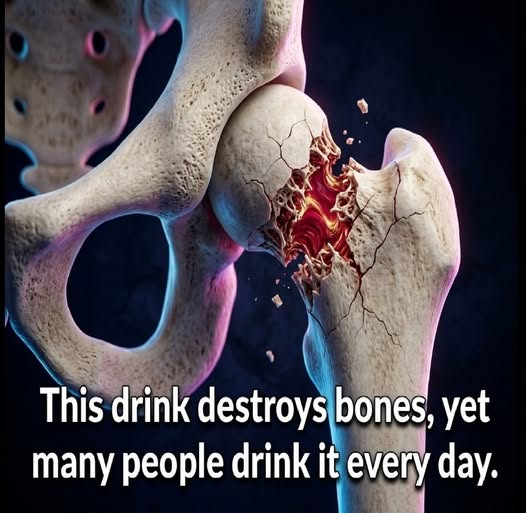
Strong bones are essential for maintaining mobility, balance, and overall health throughout life. Although many people focus on eating calcium-rich foods and exercising regularly, they often overlook how certain beverages can influence bone health. While no single drink will automatically cause osteoporosis or weak bones, regularly consuming certain beverages in large amounts may contribute to lower bone density, interfere with calcium absorption, or increase the risk of fractures over time.
Health experts generally agree that moderation is the key. Many of these drinks can still fit into a healthy diet when consumed responsibly. Below are five beverages that deserve special attention if you want to protect your bones.
1. Sugary Soft Drinks
Sugary sodas consistently rank among the beverages most often linked to poor bone health. Colas, in particular, have been studied because they contain phosphoric acid in addition to large amounts of added sugar.
Why They May Harm Bones
Excessive consumption of sugary soft drinks may affect bones in several ways:
- High sugar intake can contribute to inflammation, which may negatively affect bone remodeling.
- Many people replace milk or calcium-rich beverages with soda, reducing their daily calcium intake.
- Cola drinks contain phosphoric acid, which may disrupt the body’s calcium balance when consumed in excess.
- Regular soda drinkers often have diets lower in essential nutrients needed for healthy bones.
Research Findings
Several observational studies have found that people who drink large amounts of cola beverages tend to have lower bone mineral density, particularly women. While researchers continue to investigate the exact cause, replacing nutritious beverages with soda appears to be a major factor.
Healthier Alternatives
Instead of reaching for soda every day, consider:
- Sparkling water with fresh fruit
- Unsweetened iced tea
- Milk
- Fortified plant-based milk
- Water flavored with lemon or cucumber
Reducing soda intake benefits not only your bones but also your heart, weight, and dental health.
2. Excessive Alcohol
Alcohol affects many organs, including the skeletal system. While moderate drinking may have little effect on bone health for most adults, heavy or long-term alcohol consumption is associated with weaker bones and a higher risk of fractures.
Why Alcohol Weakens Bones
Heavy alcohol intake may:
- Reduce calcium absorption
- Decrease vitamin D activation
- Interfere with bone-forming cells (osteoblasts)
- Increase hormones that contribute to bone loss
- Raise the risk of falls and fractures due to impaired balance
Long-Term Effects
People with chronic heavy alcohol use are more likely to develop osteoporosis earlier in life. Healing after fractures may also take longer because alcohol interferes with normal bone repair.
Safe Consumption
Health experts generally recommend limiting alcohol intake according to national health guidelines. Drinking plenty of water and maintaining adequate calcium and vitamin D intake can also help support bone health.
3. Highly Caffeinated Energy Drinks
Energy drinks have become increasingly popular, especially among teenagers and young adults. Many contain very high levels of caffeine along with sugar and other stimulants.
Why They’re Concerning
Large amounts of caffeine may:
- Slightly increase calcium loss through urine
- Reduce calcium absorption when consumed in excessive amounts
- Replace healthier beverages in the diet
- Encourage poor sleep, which may indirectly affect bone health over time
Many energy drinks also contain:
- High sugar levels
- Artificial additives
- Large doses of stimulants
Together, these ingredients can negatively affect overall health.
Young People Are Especially Vulnerable
Adolescence is a critical period for building peak bone mass. Drinking energy drinks instead of milk or other nutritious beverages during these years may prevent young people from achieving optimal bone strength.
Better Choices
Natural energy can come from:
- Water
- Fruit smoothies
- Low-fat milk
- Green tea in moderation
- Balanced meals with protein and complex carbohydrates
3. Highly Caffeinated Energy Drinks
Energy drinks have become increasingly popular, especially among teenagers and young adults. Many contain very high levels of caffeine along with sugar and other stimulants.
Why They’re Concerning
Large amounts of caffeine may:
- Slightly increase calcium loss through urine
- Reduce calcium absorption when consumed in excessive amounts
- Replace healthier beverages in the diet
- Encourage poor sleep, which may indirectly affect bone health over time
Many energy drinks also contain:
- High sugar levels
- Artificial additives
- Large doses of stimulants
Together, these ingredients can negatively affect overall health.
Young People Are Especially Vulnerable
Adolescence is a critical period for building peak bone mass. Drinking energy drinks instead of milk or other nutritious beverages during these years may prevent young people from achieving optimal bone strength.
Better Choices
Natural energy can come from:
- Water
- Fruit smoothies
- Low-fat milk
- Green tea in moderation
- Balanced meals with protein and complex carbohydrates
4. Excessive Coffee
Coffee itself is not necessarily bad for your bones. In fact, moderate coffee consumption can fit into a healthy lifestyle. The concern arises when caffeine intake becomes excessive.
How Too Much Coffee Affects Bones
Large amounts of caffeine may:
- Increase calcium excretion
- Slightly reduce calcium absorption
- Lead people to consume less nutritious beverages
The overall effect is relatively small for people who consume enough calcium each day. However, individuals who drink multiple large cups of coffee daily without adequate calcium intake may be at greater risk of bone loss.
What Experts Recommend
Most experts suggest limiting caffeine to about 400 milligrams per day for healthy adults, roughly equivalent to four cups of brewed coffee, though individual tolerance varies.
Adding milk to coffee provides extra calcium, making it a more bone-friendly choice.
Balance Matters
If you enjoy coffee:
- Eat calcium-rich foods.
- Maintain adequate vitamin D.
- Stay physically active.
- Avoid replacing meals with coffee.
5. Sweetened Coffee Drinks and Milkshakes
Specialty coffee beverages and dessert-style milkshakes often contain surprisingly high amounts of sugar and calories.
Although milk itself provides calcium, heavily sweetened drinks may not offer the same overall health benefits.
Why They Can Be Problematic
These beverages often contain:
- Large amounts of added sugar
- Whipped cream
- Flavored syrups
- High saturated fat
- Extra calories
Excessive sugar intake has been linked to poorer dietary quality, meaning people may consume fewer nutrient-dense foods needed for strong bones.
Frequent consumption can also contribute to obesity, which may increase stress on joints and reduce physical activity.
A Better Option
Choose:
- Plain milk
- Unsweetened lattes
- Homemade smoothies
- Greek yogurt drinks with fresh fruit
These options provide calcium and protein without excessive added sugar.
Drinks That Support Strong Bones
Instead of focusing only on what to avoid, it’s equally important to choose beverages that nourish your skeleton.
Excellent bone-friendly drinks include:
- Milk
- Calcium-fortified soy milk
- Fortified almond milk
- Fortified oat milk
- Kefir
- Plain yogurt smoothies
- Water
- Mineral water containing calcium
- Orange juice fortified with calcium and vitamin D (in moderation)
These beverages can help provide the nutrients your bones need to stay healthy.
Additional Tips for Healthy Bones
Drinks are only one part of maintaining strong bones. Experts recommend combining healthy beverage choices with other bone-supporting habits.
Eat Calcium-Rich Foods
Include foods such as:
- Dairy products
- Leafy green vegetables
- Sardines
- Tofu made with calcium sulfate
- Almonds
Get Enough Vitamin D
Vitamin D helps your body absorb calcium effectively. Good sources include:
- Safe sunlight exposure
- Fatty fish
- Fortified foods
- Supplements when recommended by a healthcare professional
Exercise Regularly
Weight-bearing exercises such as:
- Walking
- Dancing
- Hiking
- Resistance training
stimulate bones to stay stronger throughout life.
Avoid Smoking
Smoking accelerates bone loss and increases fracture risk.
Maintain a Healthy Weight
Being either underweight or significantly overweight can negatively affect bone health.